
The Pros and Cons to Consider When Looking Into CCRCs
 Continuing Care Retirement Communities (CCRCs) offer seniors a unique living option that provides a continuum of care as their needs change over time. While there are many advantages to CCRCs, there are also some drawbacks to consider. We’ll explain the pros and cons of CCRC retirement communities to help you decide if it’s the right option for you.
Pros:
- Continuum of Care: CCRCs offer a continuum of care (all levels) including independent living, assisted living, memory care, and skilled nursing. This means that residents can stay within the same community and receive the care they need even as their needs change. They don’t have to worry about moving to a different location.
- Peace of Mind: Knowing that you have access to a range of care options within the same community can provide a sense of security and peace of mind for both residents and their families. Residents are guaranteed they will never be asked to leave regardless of medical or financial changes.
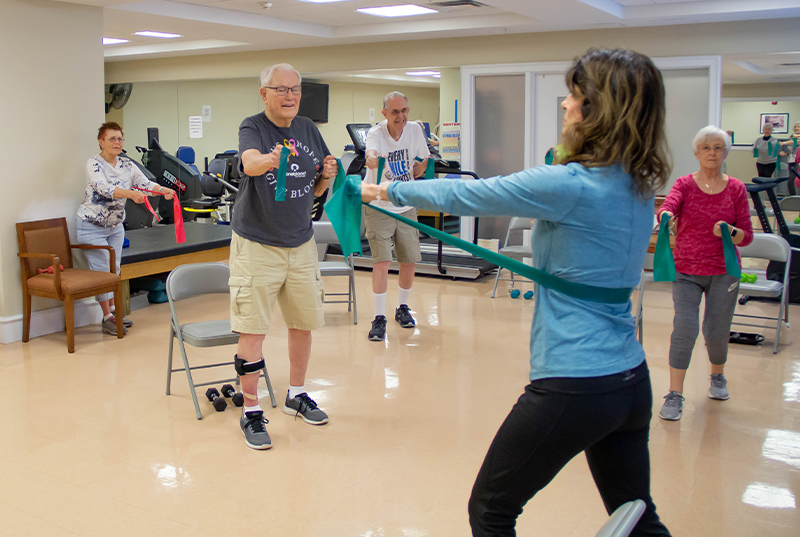
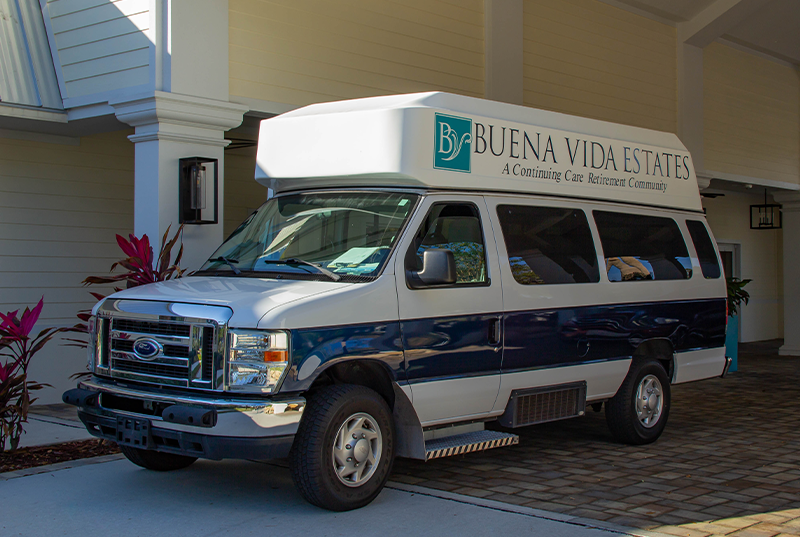
- Amenities and Services: CCRCs often offer a wide range of amenities and services, such as fitness centers, swimming pools, dining options, transportation services, and more. This can make life more enjoyable and convenient for residents.
- Social Opportunities: Many CCRCs offer a variety of resident activities and social opportunities, such as clubs, classes, outings, and events. This can help seniors stay active, engaged, and connected with others in the community.
Cons:
- Entrance Fees and Contracts: CCRCs often require an entrance fee and a long-term contract for residents. Although these fees may seem costly and difficult to afford, many find when looking closely, the costs are less than paying monthly in high-level care rentals.
- Financial Stability: Some CCRCs may have financial stability concerns, which can impact the quality of care and services provided to residents. It’s important to research a community’s financial status before committing to it.
- Limited Flexibility: CCRCs may have rules and regulations that limit residents’ flexibility and autonomy, such as restrictions on travel, visitors, and activities.
CCRCs offer a unique living option for seniors that can provide a range of benefits. However, it’s important to weigh the pros and cons and consider your individual needs and preferences before making a decision. If you’re interested in CCRCs, it’s a good idea to tour different communities and talk to current residents to get a better sense of what life is like in each one.
If you’d like to learn more about what Buena Vida Estates has to offer, schedule a tour with us today.
New blog posts:

Questions to Ask When Evaluating a Continuing Care Retirement Community
Choosing a Continuing Care Retirement Community (CCRC) is a significant decision. Asking the right questions about regulation, financial disclosures, care services, and leadership structure can help families make informed choices with confidence. This guide outlines what to look for when evaluating a CCRC in Florida.

Featured Resident: Mike Russell
Meet Mike Russell, a Cottage resident at Buena Vida Estates since April 2025. From Army veteran to animal rescue officer to “Tilapia Relocation Program” volunteer, Mike has found an active and fulfilling lifestyle at Buena Vida.

What a CCRC Is Designed to Do and the Protections You Should Look For
Understanding how a Continuing Care Retirement Community (CCRC) works (and how it’s regulated) is key to making an informed decision. In Florida, Chapter 651 outlines financial reserve and disclosure requirements designed to promote transparency and oversight. In this blog, we explain what a CCRC does, what protections to look for, and how Buena Vida Estates fits within Florida’s highly regulated framework.