
Understanding Nonprofit vs. Not-for-Profit Organizations
 At Buena Vida Estates, we often receive questions from our community about the differences between nonprofit and not-for-profit organizations. While the terms may seem similar, there are important distinctions between the two. Understanding these differences can help you make more informed decisions, especially when considering senior living options.
What is a Nonprofit Organization?
A nonprofit organization is created for a charitable purpose or to benefit the general public. Unlike for-profit businesses, the assets and profits of a nonprofit are reinvested into the organization to further its mission. This structure ensures that the organization focuses on its charitable goals rather than generating profit for its owners or leaders.
The IRS categorizes nonprofit organizations into several categories, including:
- Charitable organizations
- Churches and religious organizations
- Private foundations
- Political organizations
- Other nonprofits such as social welfare, public safety, education, and museums
To qualify for tax-exempt status under section 501(c)(3) of the IRS tax code, a nonprofit must operate exclusively for exempt purposes. None of its earnings may benefit any private shareholder or individual, and it must not engage substantially in lobbying or political campaigning. Additionally, the organization must have a clear purpose, operate non-partisanly, limit compensation for its officers and directors, and reinvest profits in its cause. Donations to 501(c)(3) nonprofits are tax-deductible for donors.
What is a Not-for-Profit Organization?
Not-for-profit organizations also aim to serve a public or charitable objective, but their structure allows owners or members to benefit from the entity. These organizations often focus on specific causes or services for their members, such as local community groups, cooperatives, or recreational clubs. A local children’s soccer club is an example of a not-for-profit organization – it exists for the enjoyment of its members rather than to make money.
Not-for-profits tend to be smaller and more locally focused, often relying heavily on volunteers. While they can apply for tax-exempt status if they meet the necessary requirements, donations to these organizations are generally not tax-deductible unless they qualify as a 501(c)(3) entity.
Key Differences
- Donations: Donations to 501(c)(3) nonprofits are tax-deductible, while those to not-for-profits are not, unless the organization qualifies as a 501(c)(3).
- Objective: Nonprofits serve the public good, with all activities and proceeds directed towards their mission. Not-for-profits can have varied objectives, often benefiting their members.
- Labor and Leadership: Nonprofits usually employ professional staff and may have volunteers, whereas not-for-profits are often run entirely by volunteers.
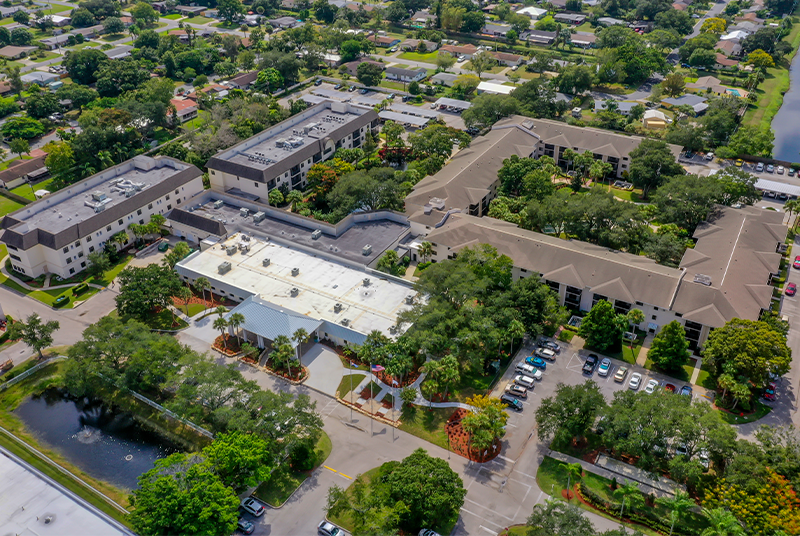
Understanding these distinctions is important, especially when evaluating senior living communities. Buena Vida Estates, as a locally owned Continuing Care Retirement Community (CCRC), is committed to transparency and helping you make informed decisions about your retirement living options.
New blog posts:

Push vs. Pull: Understanding What Drives Senior Living Moves
When it comes to senior living, why you move can be just as important as when. In this blog, we explore the different “push” and “pull” factors that inspire a thoughtful transition. Discover why older adults who make proactive choices often report higher satisfaction, better wellbeing, and a smoother adjustment to retirement community life.

How to Support Aging Parents: A Proactive Guide for Adult Children
Supporting aging parents can feel overwhelming, but planning ahead can make all the difference. In this guide for adult children, we explore how to start the conversation, what to look for in senior living options, and why Life Plan Communities like Buena Vida Estates offer both emotional comfort and long-term security.
5 Reasons Florida Retirees Choose Life Plan Communities Over Traditional 55+ Living
Traditional 55+ communities may offer sunshine and scenery, but Life Plan Communities provide something more: long-term security. In this post, we explore five key reasons retirees in Florida are choosing CCRCs like Buena Vida Estates for their next chapter – from on-site medical care and hurricane preparedness to vibrant social living and financial predictability.