
Addressing the Hidden Epidemic of Senior Loneliness: Why it’s Still a Concern Post-Pandemic
 Loneliness among seniors is not a new issue, but the pandemic made it even more challenging for older adults to stay connected with others. Even as pandemic restrictions ease up and life has gotten back to “normal,” the loneliness epidemic continues to impact seniors.
The Severity of Senior Loneliness
Research shows that social isolation and loneliness can have serious health consequences, including increased risk of depression, anxiety, and cognitive decline. For seniors, these risks are particularly concerning. The January 2023 National Poll on Healthy Aging (NPHA) found that:
- 34% of older people told the researchers that they sometimes or often feel isolated from others
- 37% noted feeling a lack of companionship in the past year
- One in three reported that they infrequently have social contact with someone they don’t live with (once a week or less)
According to the National Institute on Aging, older adults are at higher risk of loneliness due to factors such as living alone, losing loved ones, and having limited mobility or transportation. The pandemic has exacerbated these factors, with many seniors being forced to isolate themselves to protect their health.
But social connections are crucial for maintaining physical and mental health, and there are ways for seniors to stay connected.
How Seniors Can Stay Connected
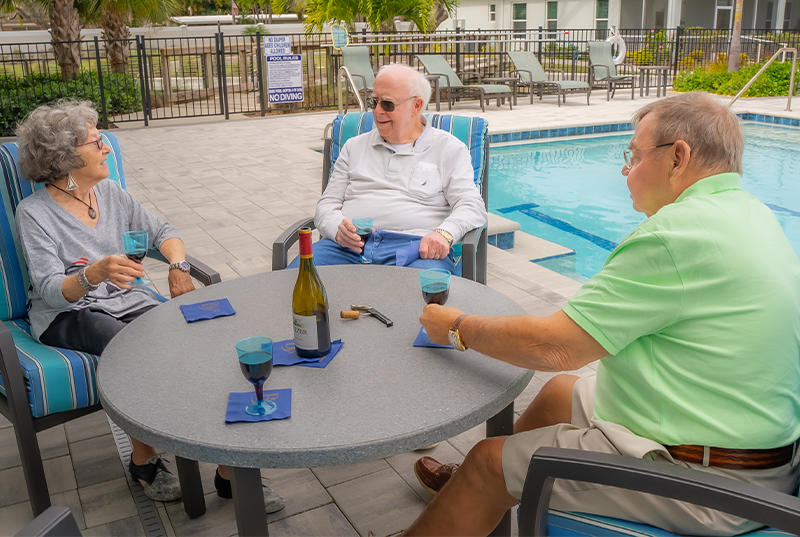
Virtual communication tools like video calls and social media can help older adults stay in touch with friends and family members. Some communities and organizations have also implemented programs to connect seniors with volunteers who can provide companionship and support.
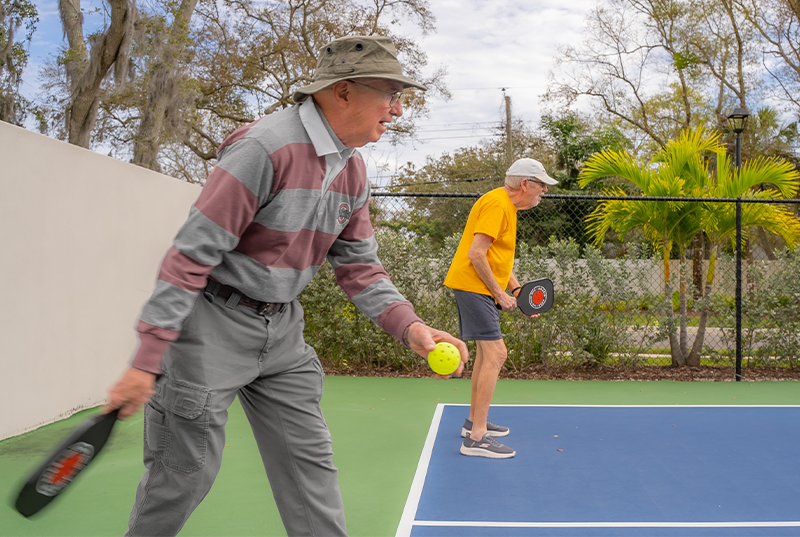
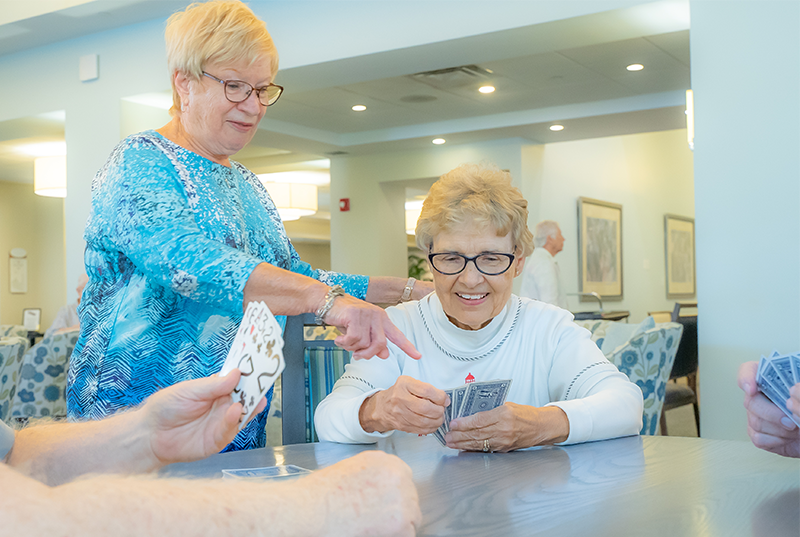
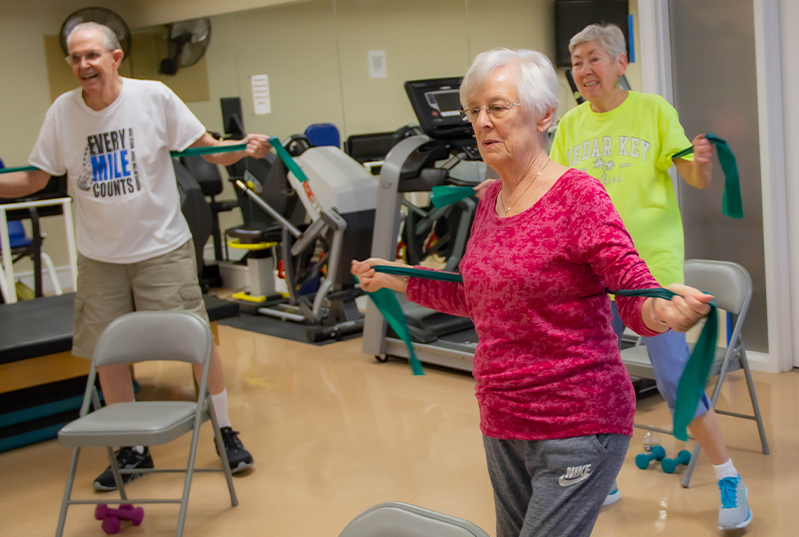
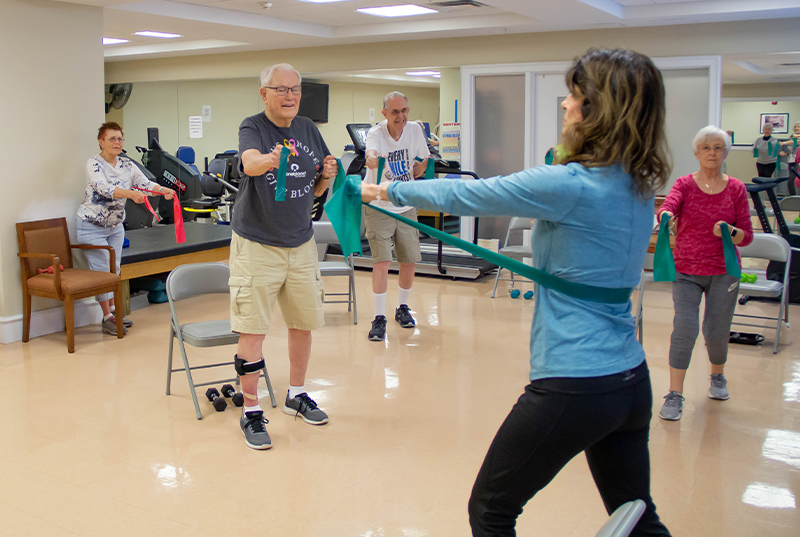
As life returns to normal, seniors may also want to consider participating in in-person activities that align with their interests. This could include joining a club or group, taking a class, or volunteering in their community.
Getting Seniors Re-Engaged
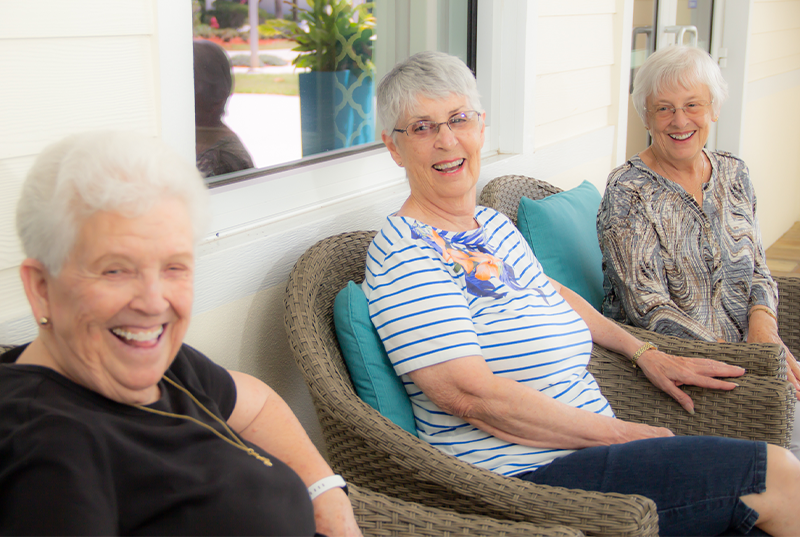
Ultimately, combating the loneliness epidemic among seniors will require a varied approach that addresses both the underlying risk factors and the practical barriers to social connection. By staying connected with loved ones and engaging in meaningful activities, older adults can improve their overall well-being and quality of life.
New blog posts:

Push vs. Pull: Understanding What Drives Senior Living Moves
When it comes to senior living, why you move can be just as important as when. In this blog, we explore the different “push” and “pull” factors that inspire a thoughtful transition. Discover why older adults who make proactive choices often report higher satisfaction, better wellbeing, and a smoother adjustment to retirement community life.

How to Support Aging Parents: A Proactive Guide for Adult Children
Supporting aging parents can feel overwhelming, but planning ahead can make all the difference. In this guide for adult children, we explore how to start the conversation, what to look for in senior living options, and why Life Plan Communities like Buena Vida Estates offer both emotional comfort and long-term security.
5 Reasons Florida Retirees Choose Life Plan Communities Over Traditional 55+ Living
Traditional 55+ communities may offer sunshine and scenery, but Life Plan Communities provide something more: long-term security. In this post, we explore five key reasons retirees in Florida are choosing CCRCs like Buena Vida Estates for their next chapter – from on-site medical care and hurricane preparedness to vibrant social living and financial predictability.