Achieve Successful Aging Through Mental Fitness

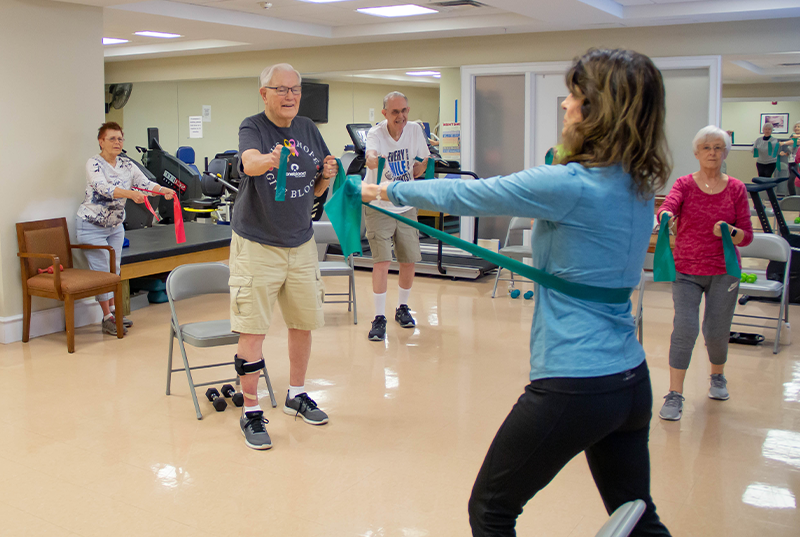
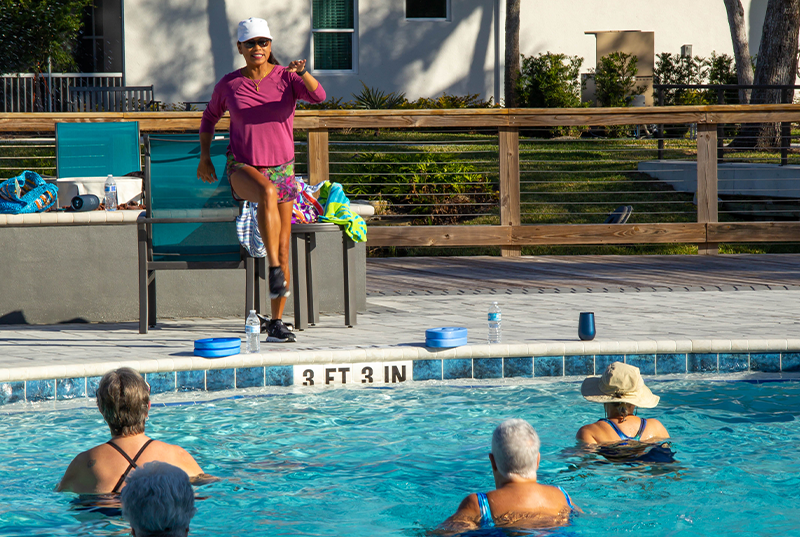
The concept of aging can be daunting. As we grow older, it’s natural to become more concerned with the care of our bodies. We may attend a weekly aerobics class or cut down on sweets. Yet, smart food choices and physical fitness are just the tip of the self-care iceberg. As we begin to navigate new life transitions, our mental health takes a backseat.
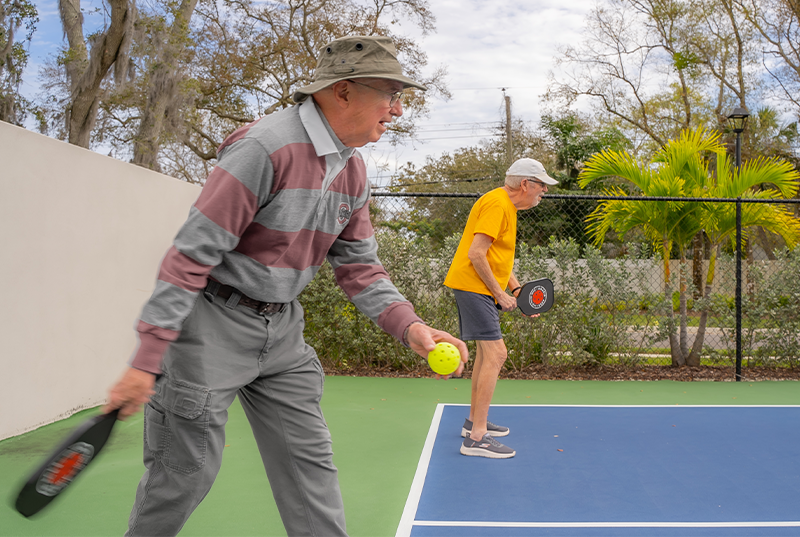
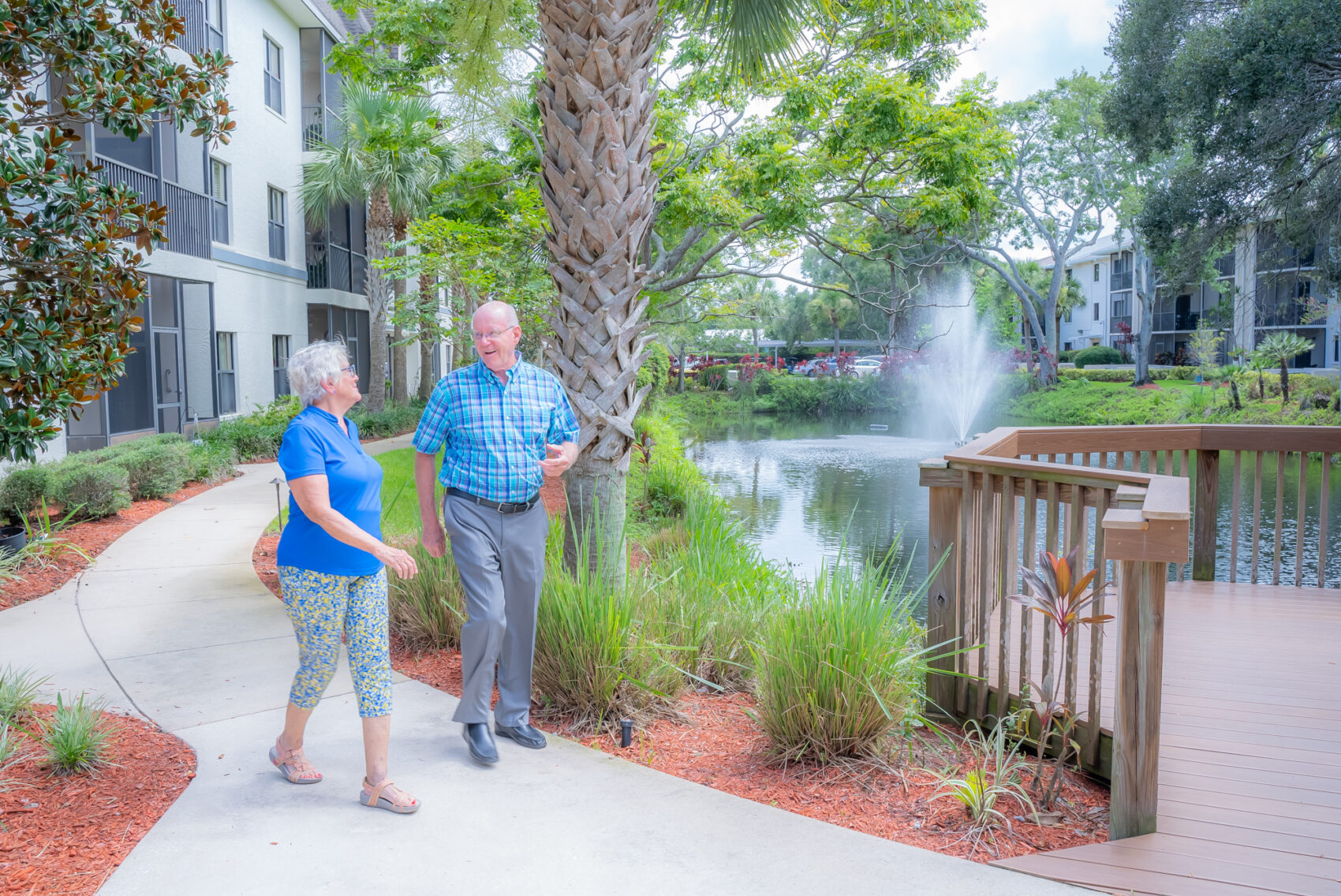
However, we must exercise our minds as we do our bodies. Studies have shown that although our physical bodies may regress, the aging brain can psychologically and mentally grow until the end of life. Surprisingly, our lifestyle choices can impact age-related changes to our minds. Making mental fitness a priority in your life is an open invitation to healthy living.
Constantly Reinvent Yourself
Humans are continually evolving. As we grow older, these changes may feel more evident. When life slows down, we can start to lose our sense of purpose. Research shows that having a sense of purpose is a critical factor in experiencing a higher quality of life and improving life longevity. It’s essential to routinely seek, define, and maintain a sense of purpose. You can do this by exploring your passions and creativity.
Most importantly, remind yourself that finding your purpose is an ongoing practice. As we evolve, so does our life purpose. When embracing these changes, we can take control of our lives and begin to live with intent.
Connect with Your Community
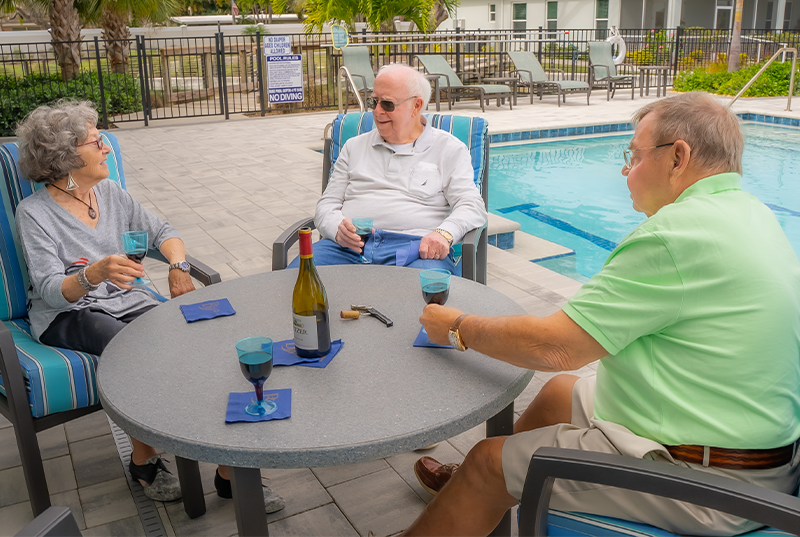
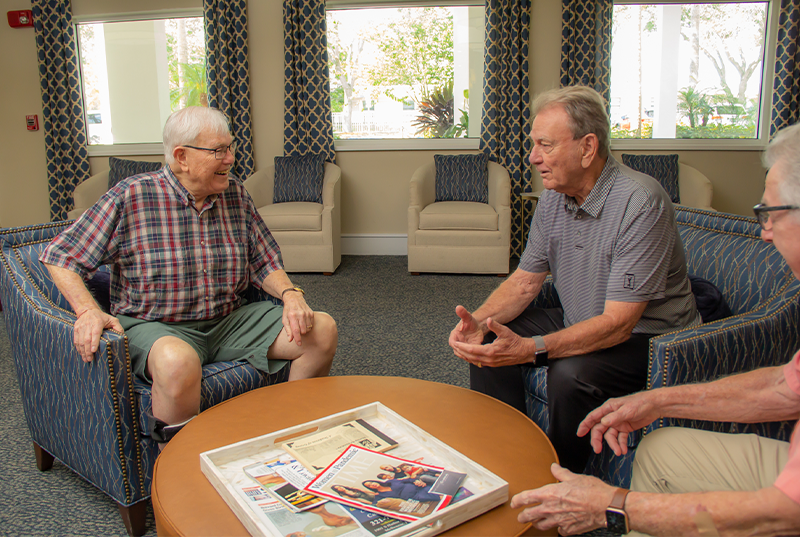
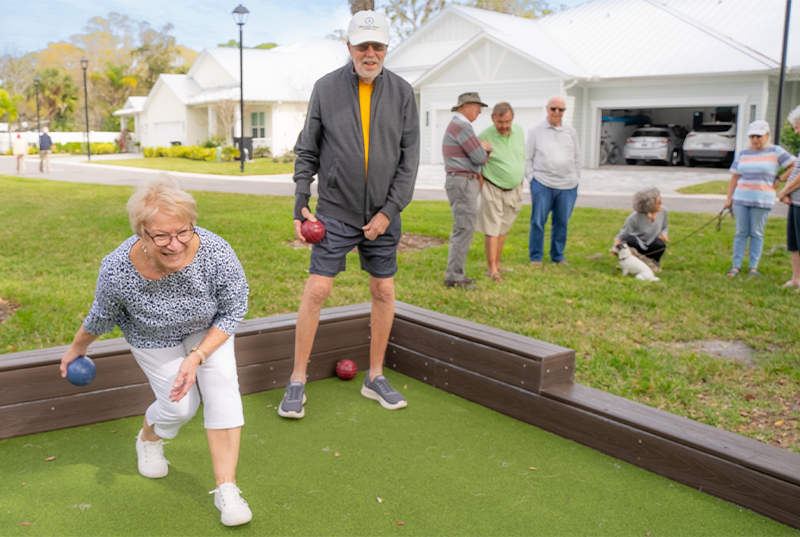
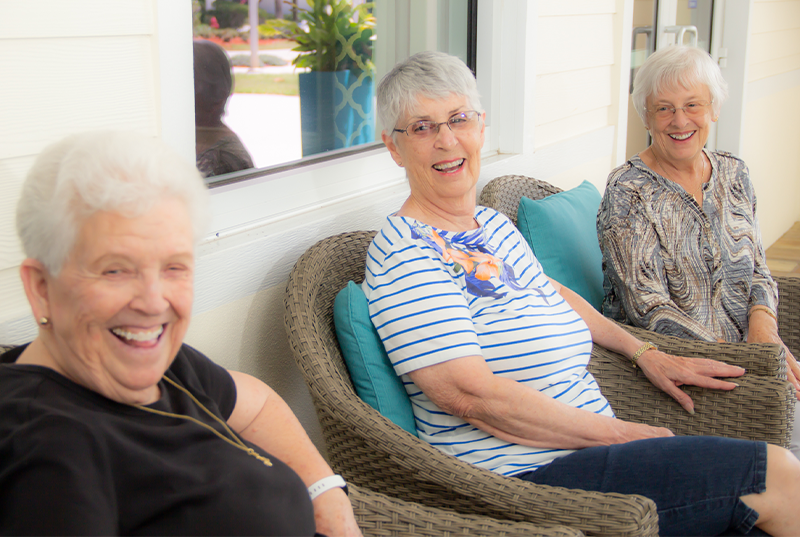
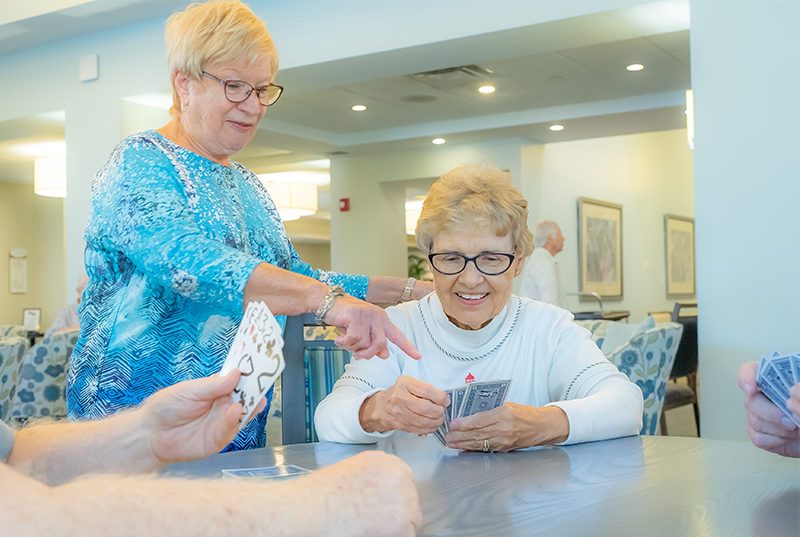
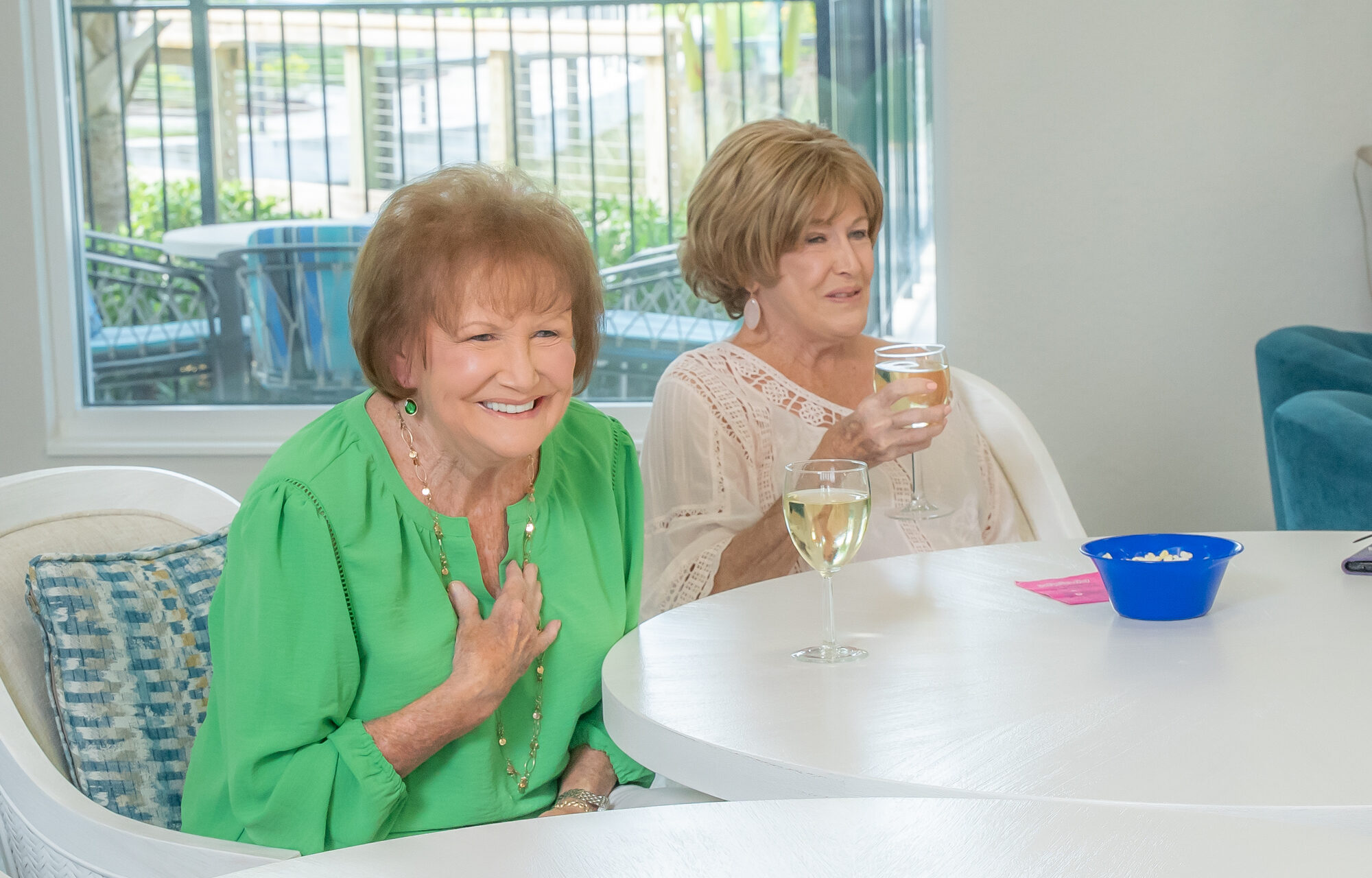
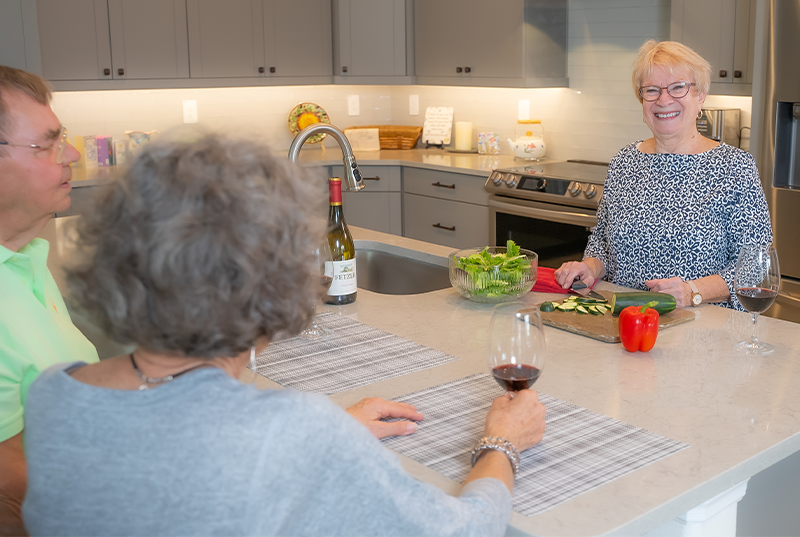
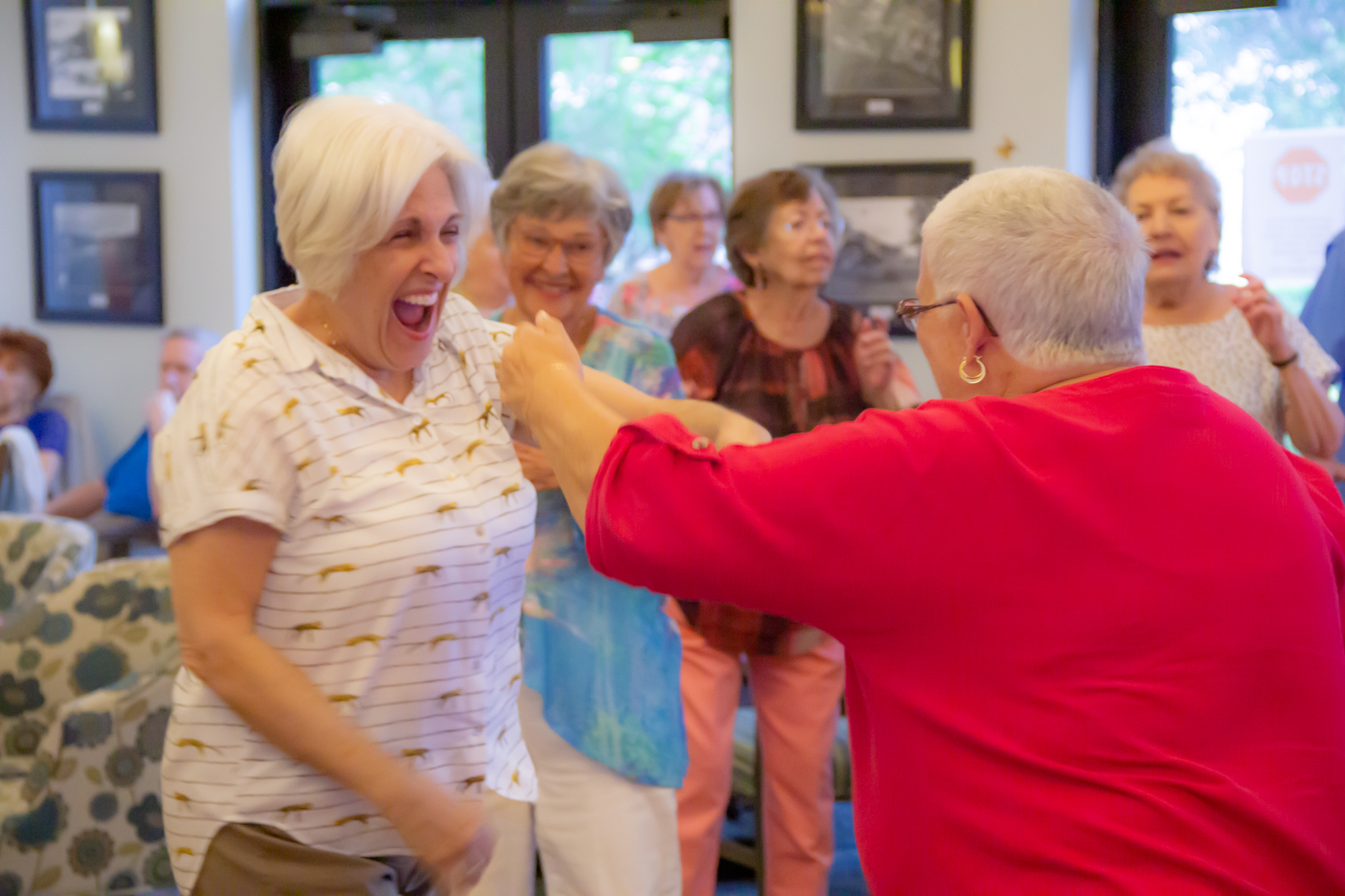
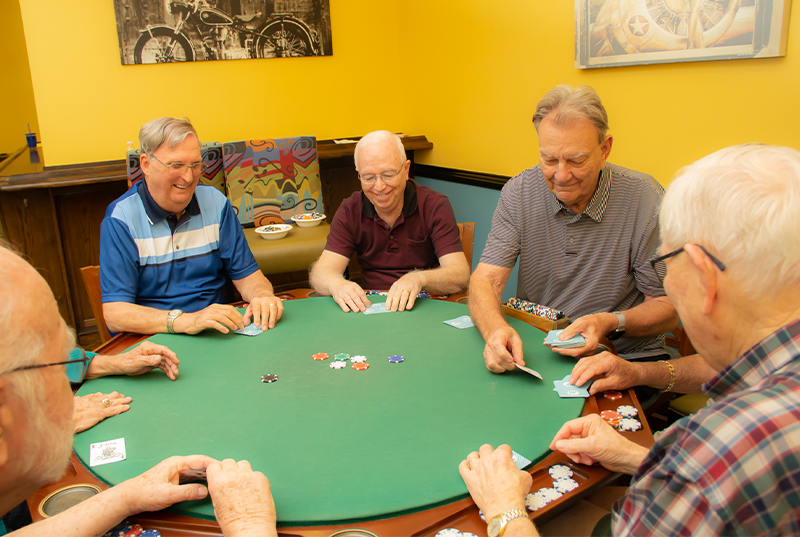
Social isolation is a significant hurdle for older adults. According to a UCSF study, more than 40% of seniors regularly experience loneliness. As we age and our social circles shed, it’s easy to feel isolated. Countless studies reveal that loneliness links to an array of mental and physical conditions such as cognitive decline, depression, high blood pressure, heart disease, obesity, and Alzheimer’s disease. Although it can be intimidating, it’s important to foster social connections. Ways you can become socially engaged include joining a fun club, volunteering in your local community, signing up for social media platforms, and trying community living.
Practice Gratitude
Implementing gratitude into our daily routine has many physical, social, and psychological benefits. As you age, life can feel like a downward spiral. It can be depressing to lose those around us as well as our independence. Celebrating our small victories can be difficult when painful events occur. However, as we prioritize gratitude practices, we can guarantee that our life will be more fulfilling. The National Council on Aging shares that when people have higher levels of gratitude, they have lower levels of depression, better sleep quality, and are more socially connected. Keeping a gratitude journal, expressing gratitude to others, and reciting daily affirmations are all valuable ways to show appreciation.
New blog posts:
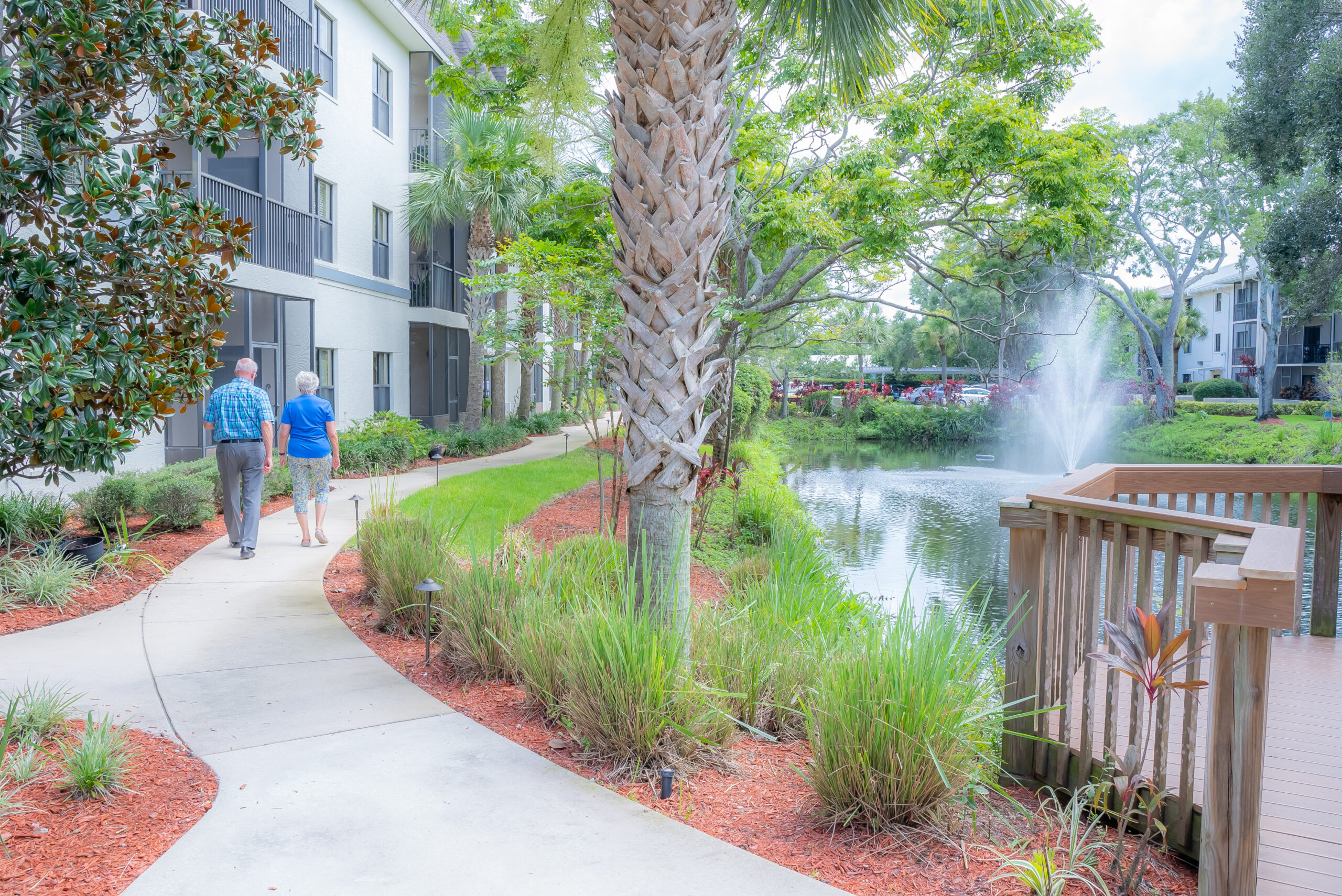
Active and Independent Living: Busting Myths About Life Plan Communities
These communities are designed for active seniors who crave an independent lifestyle. Let's debunk some common myths and explore the realities of life in a thriving Life Plan Community.
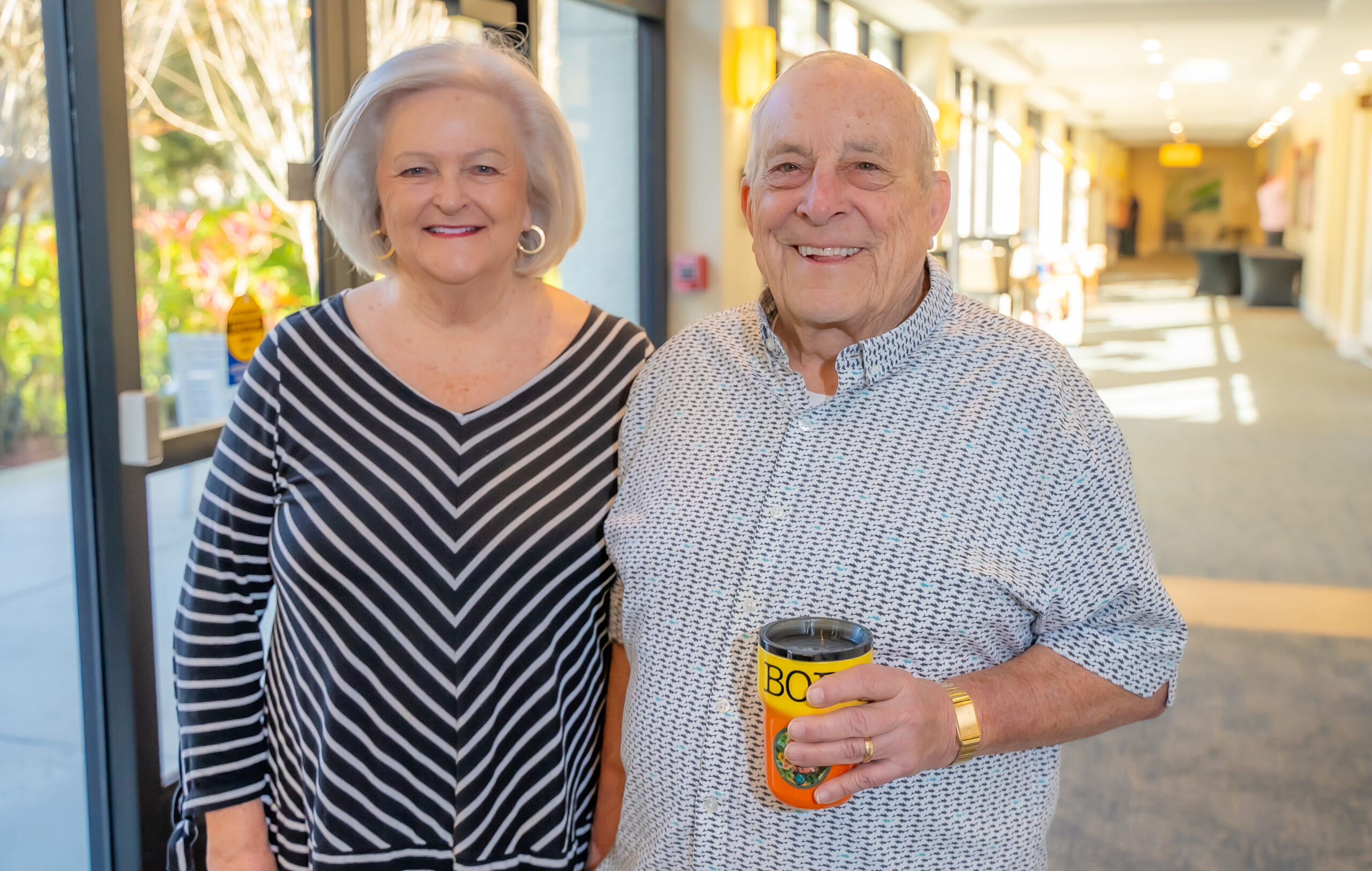
Embracing the Idea of Moving to a Retirement Community
Discover the benefits of moving to a retirement community. Learn how crystallized intelligence and life experiences can enrich your retirement years, offering opportunities for growth, learning, and wellness.
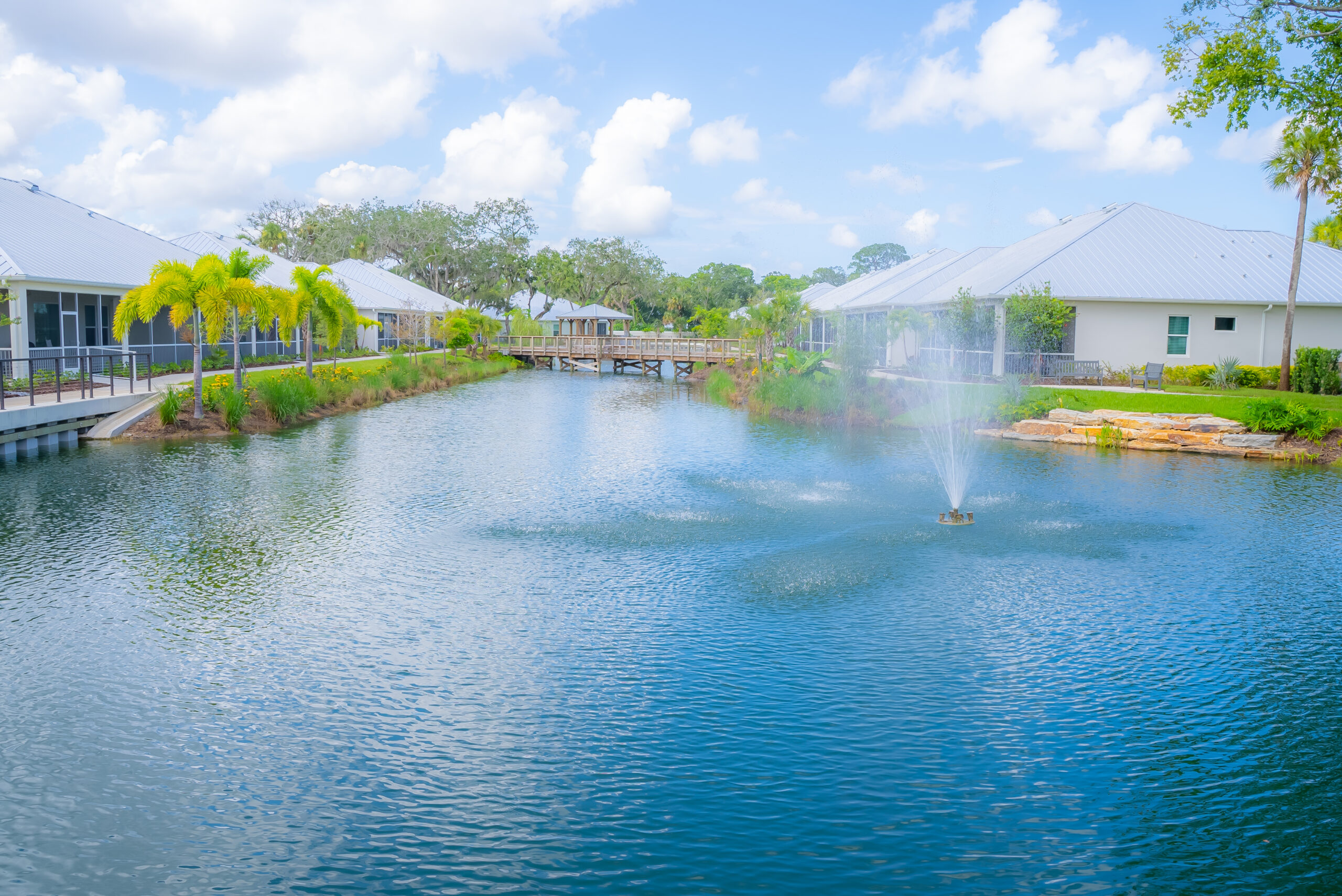
5 Reasons Why Life Plan Communities Are the Future of Senior Living
As the senior population continues to grow, the demand for innovative and comprehensive living solutions is on the rise. Life Plan Communities, also known as CCRCs, are emerging as the preferred choice for many retirees.